Source Waterproof Orthopedic Suede Clogs for Hiking, Nursing, and Rainy Days
Compare 30 listings of waterproof orthopedic suede clogs featuring arch support and anti-slip soles. Buyers can evaluate materials, heel heights, and customization options for indoor training, business casual, or leisure use; compare the available evidence and request quotations based on your requirements.
Key considerations
Products List


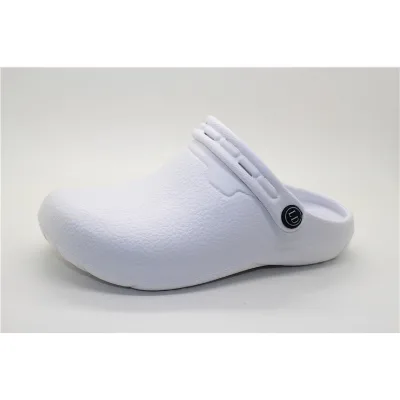


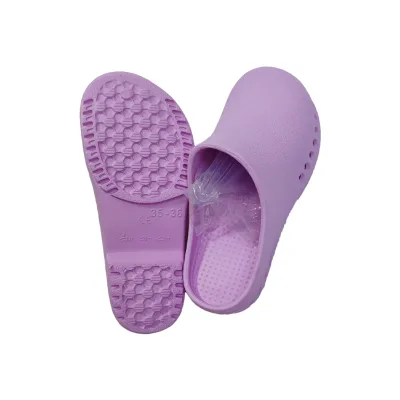


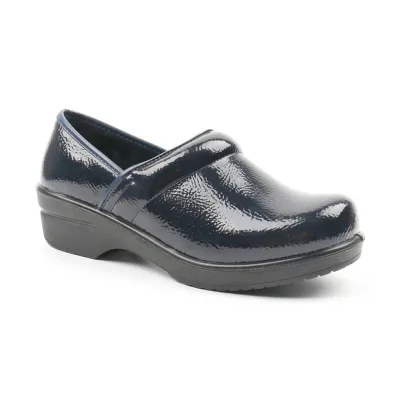
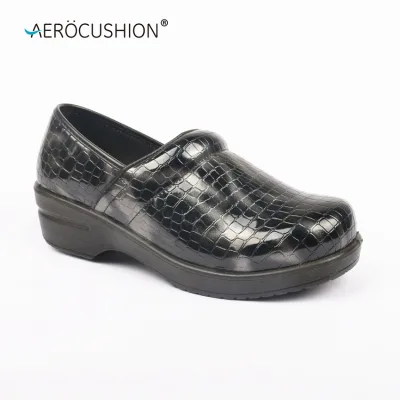


Comprehensive Sourcing Guide
Waterproof Orthopedic Suede Clogs Sourcing Guide
Procuring waterproof orthopedic suede clogs requires balancing specific material durability with therapeutic foot support features. The observed market data indicates a diverse range of options, including models with genuine leather uppers and others utilizing suede or synthetic materials to achieve water resistance. Buyers must verify that the "Water-Resistant" or "Waterproof" claims align with the intended usage scenario, whether for rainy days, indoor training, or business casual environments. The presence of orthopedic design elements like arch support and heel counters is critical for ensuring the footwear meets medical or comfort standards for extended wear.
Sourcing strategies should account for the variability in closure types and toe styles observed in current listings, ranging from slip-on designs to multi-strap configurations. While some products feature open toes, others offer closed-toe protection, which may be necessary for specific industrial or safety applications. The inclusion of metal accents and specific branding options like offset printing or silkscreen adds a layer of customization that can differentiate a private label product. Buyers should prioritize suppliers who can demonstrate consistent quality in both the suede upper material and the rubber outsole to ensure the final product delivers on its anti-slip and shock absorption promises.
Product Scope and Observed Listing Signals
The current market landscape for waterproof orthopedic suede clogs presents a wide spectrum of design styles, including low-top, mid-top, and high-top variations alongside traditional sandal and loafer silhouettes. Listings frequently highlight functional designs such as anti-slip patterns and shock absorption features using EVA foam, which are essential for users requiring stability during activities like hiking or indoor training. The observed price range of 1.88 to 15 USD suggests a highly competitive market with significant variance in quality and material composition, necessitating careful scrutiny of product descriptions to distinguish between basic casual wear and specialized orthopedic footwear.
Buyers must navigate a complex array of seasonal and usage signals, as products are marketed for winter, autumn, spring, and summer conditions, as well as specific scenarios like nursing or leisure. The availability of customization options, including adjustable straps and various upper materials like EVA or genuine leather, allows for tailored solutions but requires clear communication of specifications. It is vital to confirm that the "Orthopedic Design" and "Motion Control" arch support features are genuine structural elements rather than marketing terms, especially given the diverse range of models identified by specific product codes like S2501B082 and 2555301.
Technical Specifications to Verify
Verification of the upper material is paramount, as listings explicitly mention both genuine leather and suede, which offer different levels of water resistance and durability. Buyers should demand physical samples to confirm the "Water-Resistant" or "Waterproof" status, ensuring the material treatment effectively repels moisture without compromising the breathability required for all-season use. The outsole material is consistently noted as rubber, but the specific compound and the presence of anti-slip patterns must be validated to guarantee safety on wet or oily surfaces, particularly for professional environments like nursing or industrial training.
The internal construction must be scrutinized for the presence of critical orthopedic features, including arch support, heel counters, and metatarsal support, which are listed as key functional attributes. Insole materials such as PU or EVA foam should be evaluated for their shock absorption capabilities and long-term resilience under repeated compression. Additionally, the closure type, whether slip-on or multi-strap, must be tested for adjustability to ensure a secure fit that accommodates varying foot volumes while maintaining the structural integrity of the orthopedic design.
Compliance and Safety Documentation
While specific certification standards are not universally listed in the provided data, buyers must request documentation confirming that the footwear meets relevant safety and material standards for the intended market. The "Customizable" nature of the product standard suggests that suppliers may need to align their manufacturing processes with specific regional regulations regarding chemical safety, particularly for materials like suede, PU, and rubber. It is essential to verify that the "Eco-Friendly Features," such as the use of recycled materials or organic cotton, are substantiated by credible third-party audits rather than unverified claims.
Safety documentation should also address the functional performance of the anti-slip and shock absorption features, ensuring they meet industry benchmarks for occupational footwear. For products marketed for nursing or business casual use, compliance with hygiene and antimicrobial standards is crucial, especially given the "Anti-microbial" feature noted in some listings. Buyers should require test reports that validate the durability of the waterproofing and the structural stability of the heel counter to prevent injuries during daily wear.
Cost Drivers and Commercial Terms
The observed MOQ range of 1 to 2000 units indicates a flexible supply chain that can accommodate both small trial orders and large-scale production runs. However, the cost per unit is heavily influenced by the choice of upper material, with genuine leather and suede typically commanding higher prices than synthetic or EVA alternatives. Buyers should anticipate that customization options, such as specific logo placements via offset printing or silkscreen, and unique packaging requirements like boxes or cartons, will add to the base manufacturing cost.
Commercial terms must clearly define the lead times and shipping logistics, as the product origin is listed as China, with specific mentions of Fujian as a production hub. The variability in product models, from S2501B082 to E415001-4, suggests that different SKUs may have distinct production cycles and cost structures. Negotiations should focus on volume discounts that align with the MOQ tiers while ensuring that the price reflects the quality of the orthopedic components and the durability of the waterproofing treatments.
Supplier Qualification and Quality Control
Supplier qualification should prioritize manufacturers with a proven track record in producing footwear with complex orthopedic features and specialized material treatments. Given the diversity of listed attributes, from metal accents to multi-strap adjustability, the supplier must demonstrate robust quality control processes that ensure consistency across different design styles and material combinations. Buyers should verify the supplier's ability to maintain the structural integrity of the heel counter and arch support during mass production, as these are critical for the product's therapeutic value.
Quality control protocols must include rigorous testing of the waterproofing and anti-slip properties to ensure they meet the claimed performance levels. Inspections should focus on the stitching quality of the suede or leather uppers and the adhesion of the rubber outsole to prevent delamination. Additionally, suppliers should be required to provide samples for fit and comfort testing, ensuring that the orthopedic design features function as intended for the target user demographic, whether for nursing, leisure, or business casual use.
Long-Term Procurement Checks
Establishing a long-term partnership requires regular audits of the supplier's production capabilities and their ability to maintain consistent quality over time. Buyers should implement a schedule for periodic re-testing of materials, particularly the waterproofing and orthopedic support features, to ensure they do not degrade with repeated manufacturing cycles. The flexibility to adjust specifications, such as changing the upper material or closure type, should be maintained to adapt to evolving market demands and consumer preferences.
Continuous monitoring of the supply chain is essential to mitigate risks associated with material availability and production delays. Buyers should maintain open communication channels with suppliers to address any issues related to the "Customizable" standards or specific model requirements. By fostering a collaborative relationship, buyers can ensure that the waterproof orthopedic suede clogs continue to meet high standards of comfort, safety, and durability, securing a reliable supply for their business needs.
FAQs
Can I customize the logo on waterproof orthopedic suede clogs?
Yes, customization is available for these footwear items. Buyers can choose from offset printing or silkscreen printing techniques to apply their brand logo. The logo position is typically set for a pair, allowing for consistent branding across the order. This service supports various design styles including low-top, mid-top, and high-top options for different market needs.
What materials are used for the upper and outsole?
The upper material is primarily genuine leather or suede, providing durability and a premium feel. Some variants may use synthetic materials or EVA for specific lightweight applications. The outsole is made of rubber, ensuring excellent grip and anti-slip performance. This combination supports arch support and orthopedic design features, making them suitable for indoor training, hiking, and business casual scenarios.
Are these clogs suitable for rainy day usage?
Yes, many models are designed to be water-resistant or fully waterproof. Features include anti-slip patterns on the rubber outsole and breathable, resilient materials. Some versions offer anti-microbial properties and shock absorption via EVA foam. These characteristics make them practical for rainy-day scenarios, ensuring foot comfort and safety while maintaining the orthopedic support required for extended wear in various conditions.
What is the typical MOQ for these orthopedic clogs?
The minimum order quantity ranges from 1 to 2000 pieces, offering flexibility for different buyer sizes. This wide range accommodates both small trial orders and large bulk purchases. Buyers can select from various models like S2501B082 or 2555301, each with specific packaging options such as boxes or cartons. This adaptability supports diverse sourcing strategies and inventory management needs for global distributors.
Which heel heights are available for these footwear items?
Options include flat heels, chunky heels, and high heels to suit different style preferences. Flat and chunky heel designs often feature motion control and arch support for enhanced comfort. High heel variants may use PU insoles for added cushioning. These variations allow buyers to target specific demographics, from leisure and casual wear to more formal business casual environments, ensuring versatile market coverage.
Where are these orthopedic clogs manufactured?
These products originate from China, with specific production noted in Fujian province. The manufacturing process supports customizable standards and various design styles including sandals, loafers, and sneakers. Buyers can expect consistent quality with features like metal accents and multi-strap adjustability. This origin provides access to established supply chains and diverse material options, including recycled materials and organic cotton blends for eco-friendly product lines.